



06 Mar National Nutrition Month: Understanding Your Diet and Your Teeth
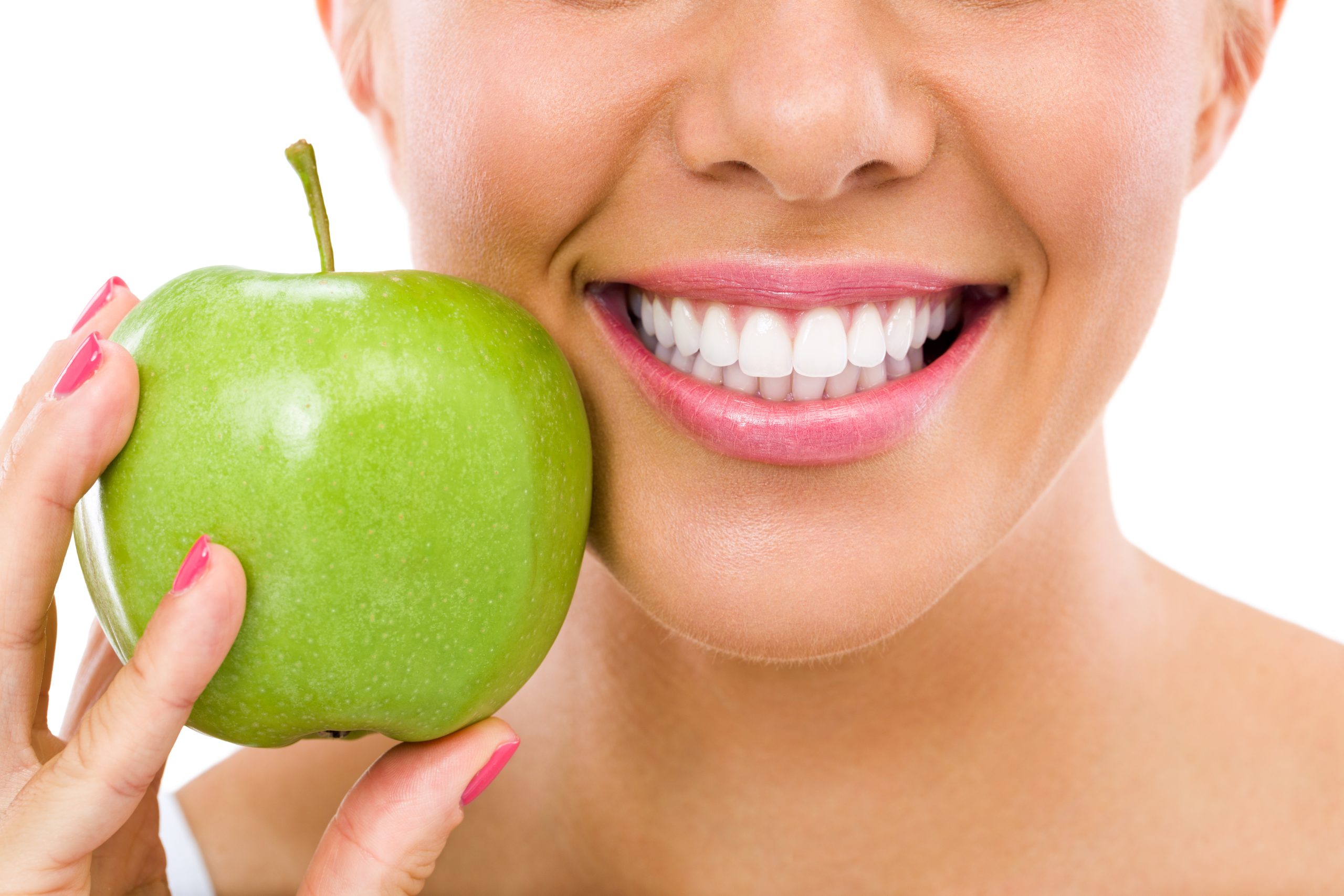
March is National Nutrition Month — a good reminder that what we eat has a bigger impact on our health than we sometimes realize. Most of us think about diet in terms of our heart, our energy levels, or how we feel day to day. But the truth is, your oral health is deeply connected to what you eat. With World Oral Health Day coming up on March 20, there’s no better time to explore how your diet affects your teeth and what you can do to support a healthier smile.
How Does Your Diet Affect Your Teeth?
Every time you eat or drink, bacteria that naturally live in your mouth and on your teeth feed on sugars and produce acid as a byproduct. Over time, that acid wears down enamel, the protective outer layer of your teeth, which can lead to cavities and sensitivity.
The good news is that understanding how this works makes it easier to make choices that work in your favor. And here’s something many people don’t realize: it’s not just what you eat that matters, but how often. Frequent snacking or sipping sugary drinks throughout the day exposes your teeth to acid repeatedly, with little time to recover between exposures.
Foods That Are Good for Your Smile
Not all foods are hard on your teeth — many of the things you’re already eating may actually be helping. Here are four worth keeping on your plate:
- Dairy products: Milk, cheese, and yogurt are rich in calcium, which helps keep enamel strong and resilient. Cheese, in particular, can even neutralize acid in the mouth after eating.
- Crunchy vegetables: Carrots, celery, and cucumbers act as natural scrubbers, gently cleaning tooth surfaces while also stimulating saliva production, which is your mouth’s built-in defense against bacteria.
- Water: Staying hydrated helps rinse away food particles and bacteria throughout the day. If your water contains fluoride, even better — fluoride actively strengthens enamel.
- Leafy greens: Spinach, kale, and other greens are packed with vitamins and minerals that support healthy gums and overall oral health.
Foods and Drinks That Are Hard on Your Teeth
Foods and drinks that are high in sugar or acid give bacteria more opportunity to produce the acid that wears down enamel. Some of the most common culprits include:
- Soda and carbonated beverages
- Citrus juices and sports drinks
- Sugary snacks and candy
- Sticky foods like dried fruit and chewy granola bars
That said, an occasional treat isn’t something to stress over. Where it tends to become a bigger issue is frequency. Sipping sodas throughout the day, for example, keeps your teeth in near-constant contact with acid. Enjoying one with a meal is a much better option for your teeth. If you’ve had something particularly acidic and can’t brush right away, rinsing with water is a simple and effective way to help.
A Note on “Healthy” Foods That Can Surprise You
Your Smile Starts With What You Eat
World Oral Health Day on March 20 is a great reminder that small, consistent choices make a difference over time. Even one or two simple shifts in your diet can mean meaningful improvements for your teeth and gums.
Of course, good nutrition is just one piece of the puzzle. Regular cleanings and checkups are what help keep your smile healthy for the long haul. The team at Imperial Dental Center is here to support you every step of the way. Schedule your next visit today.
FAQs
Q. How soon after eating should I brush my teeth?
It’s best to wait at least 30 minutes after eating before brushing, especially if you’ve had something acidic. Acidic foods and drinks temporarily soften enamel, and brushing too soon can wear it down further. If you need to freshen up right away, rinsing with water is a great in-between option.
Q. Are sugar-free drinks safe for my teeth?
Sugar-free doesn’t always mean tooth-friendly. Many sugar-free drinks, including diet sodas and sparkling waters with added flavor, are still acidic and can wear down enamel over time. Water remains the best option for keeping your teeth and body hydrated without the downsides.
Q. Does diet affect my gums, too?
Absolutely. Nutrients like vitamin C play a key role in gum health — a deficiency can make gums more prone to inflammation and bleeding. A diet rich in vegetables, lean proteins, and whole foods supports not just your teeth but the gum tissue that keeps them in place.

Dr. Dragana Angelova
Imperial Dental Center
“We love to see you smile”