



09 Feb Healthy Smiles Start Young: Tips for Kids and Parents
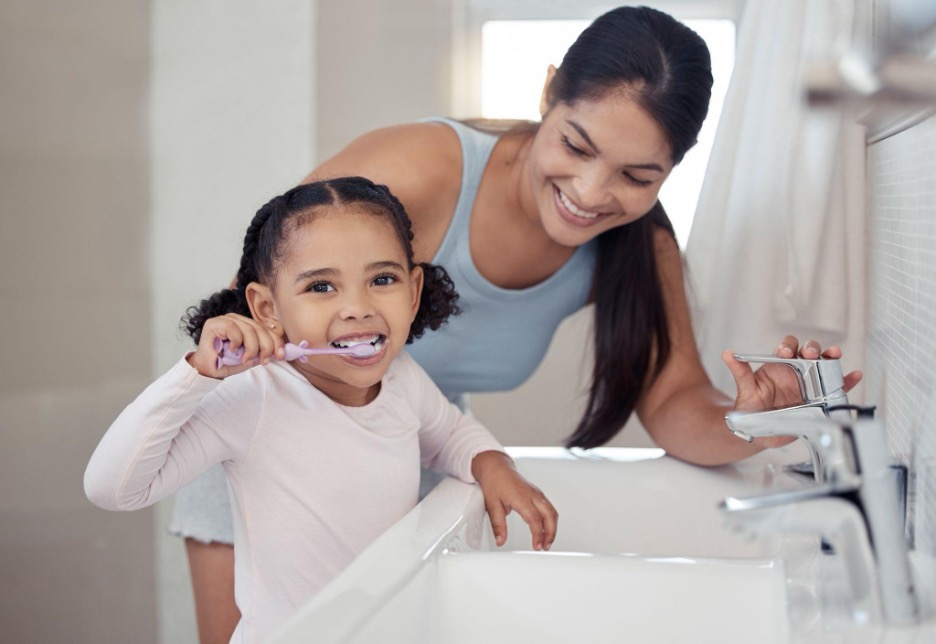
February is National Children’s Dental Health Month, which makes it a great time to check in on your child’s dental habits. Bright, healthy smiles aren’t just good genetics or luck – they’re built through consistent routines that become second nature over time.
The good news? Dental care doesn’t have to feel clinical or stressful, for kids or parents. With a few simple habits and regular support, families can set the foundation for strong oral health while helping kids feel comfortable and confident about caring for their teeth.
Why Early Dental Habits Matter
The dental habits children build early in life play a big role in their long-term oral health. Daily brushing, flossing, and regular dental visits help protect developing teeth and gums, but they also shape how kids feel about dental care as they grow. When oral hygiene is part of a normal routine, children are more likely to approach dental visits with confidence instead of anxiety.
Cavities are one of the most common childhood health concerns, but they’re also highly preventable with consistent care. February can be a helpful reset after busy holidays and winter schedule changes, offering a chance to reinforce healthy routines at home. Regular dental checkups and cleaning also help kids get familiar with the dental office while allowing dentists to catch minor issues early — keeping smiles healthy and visits low-stress.
Fun Ways to Help Kids Build Better Brushing Habits
1. Make Brushing Interactive
Using songs, timers, or brushing apps can help kids stay engaged long enough to brush thoroughly. A two-minute song or visual timer gives children a clear start and finish, turning brushing into a fun and familiar routine.
2. Let Kids Have a Say
Allowing kids to choose their toothbrush or toothpaste (within dentist-approved fluoride options) helps them feel involved. A favorite color or character can make brushing feel more personal and enjoyable.
3. Brush Together When Possible
Brushing as a family sets a strong example and shows kids that dental care is something everyone does. It also gives parents a chance to model good technique without constant reminders.
4. Turn Consistency Into a Win
Brushing charts, stickers, or simple challenges can reinforce good habits, especially for younger kids. The focus should be on consistency, not perfection.
5. Adjust Support as Kids Grow
Younger children need hands-on help to ensure their teeth are cleaned properly. As kids get older, encourage independence while still checking brushing time and technique. A little guidance goes a long way.
How Parents Can Support Healthy Smiles Beyond the Bathroom Sink
Good dental habits extend beyond brushing and flossing. These everyday tips can help support your child’s oral health over time:
- Be mindful of snacks and drinks. Frequently sipping or snacking on sugary or sticky treats can increase cavity risk. Encouraging balanced snack options and plenty of water helps protect teeth without restricting snacks entirely.
- Keep up with regular checkups. Baby teeth matter, too. Regular visits help monitor development and address small concerns before they become bigger issues.
- Watch for changes. Sensitivity, discoloration, or complaints about pain are all signs that it may be time for an extra visit to your dentist.
- Focus on positive experiences. Calm, supportive dental visits help children feel comfortable and confident about caring for their smiles.
Imperial Dental Center: Supporting Healthy Smiles at Every Age
Children’s dental needs change as they grow, which means routines and care should evolve, too. February is a good time for families to take stock — whether that means reinforcing brushing habits, adjusting snacks and schedules, or planning your next trip to the dentist. The team at Imperial Dental Center is here to support your child’s dental health with personalized care at every stage. Contact us to schedule a visit or ask questions.
FAQs
When should children start seeing a dentist?
Most dental organizations, including the American Academy of Pediatric Dentistry, recommend that a child’s first dental visit take place by their first birthday or within six months of their first tooth coming in — whichever happens first. An early visit allows the dentist to monitor normal development, identify any potential issues, and help parents understand how to care for new teeth at home. It also helps children become familiar with the dental office, making future visits more comfortable.
Why are baby teeth important if they eventually fall out?
Baby teeth help children chew and speak comfortably and act as placeholders for permanent teeth. Healthy baby teeth support proper jaw development and help ensure permanent teeth come in aligned. Because cavities and other problems can start early, caring for these teeth lays the groundwork for lifelong oral health rather than waiting until their adult teeth grow in.
How often should kids brush their teeth, and for how long?
The American Dental Association recommends that children brush twice a day for two minutes each time with a soft-bristled toothbrush and fluoride toothpaste. Parents should begin brushing as soon as the first tooth appears and continue to help or supervise brushing until the child can do it effectively on their own — usually around age 6 or 7. For children under age 3, use a tiny “smear” of fluoride toothpaste; for ages 3–6, a pea-sized amount is recommended.

Dr. Dragana Angelova
Imperial Dental Center
“We love to see you smile”